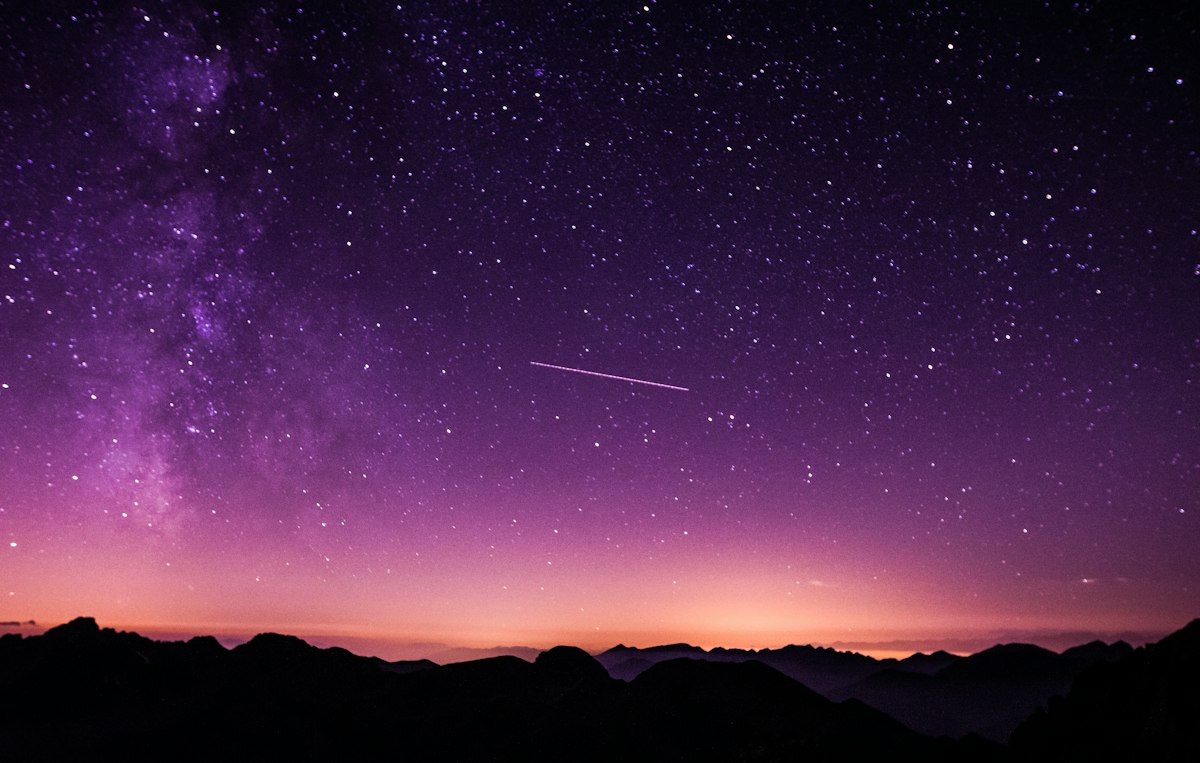
I’ve seen a lot of night skies. I grew up in India where the skies away from the cities are genuinely dark, and I’ve traveled to enough remote places to know the difference between a good sky and a great one.
Colorado has great ones.
The combination of high altitude, low humidity, and the sheer scale of land without city lights makes Colorado one of the best stargazing destinations in North America. On a clear night in the San Luis Valley or on a high plateau in the Rockies, the Milky Way doesn’t just appear — it dominates the sky in a way that makes you feel like you’re looking at it through a telescope.
Here’s where to go and what to know.
Why Colorado Is Special for Stargazing
A few factors combine to make Colorado exceptional:
Altitude. Much of Colorado sits above 7,000 feet. At higher elevation, you’re looking through less atmosphere — meaning less distortion, less moisture, and less of the haze that blurs stars even in otherwise dark locations.
Dry climate. Colorado has low humidity, especially in summer and fall. Moisture in the air is one of the biggest enemies of clear night skies. The state’s semi-arid climate works in your favor.
Dark sky preserves. Colorado has several officially designated International Dark Sky Parks and Communities, where outdoor lighting is actively managed to protect the night sky. These are exceptional viewing locations.
Altitude above tree line. Above about 11,500 feet, you’re above the forest entirely — 360-degree views of the horizon with no obstructions.
Best Stargazing Spots
Great Sand Dunes National Park
Great Sand Dunes sits in the San Luis Valley at 8,200 feet elevation — one of the darkest and driest regions in Colorado. The park is an International Dark Sky Park, which means lighting within the park is actively managed to minimize light pollution.
The dunes themselves — the tallest in North America — create a stunning foreground for night photography. Under a new moon, the Milky Way arches directly over them in a way that looks almost impossible.
When to go: Summer months (June–August) for the clearest skies and warmest nights. New moon weekends are ideal.
Tip: The dune field is open at night. Walking onto the dunes after dark, away from all artificial light, and lying on the sand to look up is one of the most memorable experiences I’ve had anywhere.
Westcliffe & Silver Cliff — Colorado’s First Dark Sky Community
This small ranching community in the Wet Mountain Valley was designated Colorado’s first Dark Sky Community in 2015. At 7,900 feet, with the Sangre de Cristo mountains rising to 14,000 feet on the western horizon, the night views here are extraordinary.
The towns have voluntarily converted their street lighting to dark-sky compliant fixtures — meaning even standing on Main Street, you can see the stars clearly. The surrounding ranches and open land add miles of uninterrupted darkness.
Stay: Westcliffe has several small inns and B&Bs. A weekend here — hiking during the day, stargazing at night — is one of Colorado’s most underrated getaways.
Rocky Mountain National Park
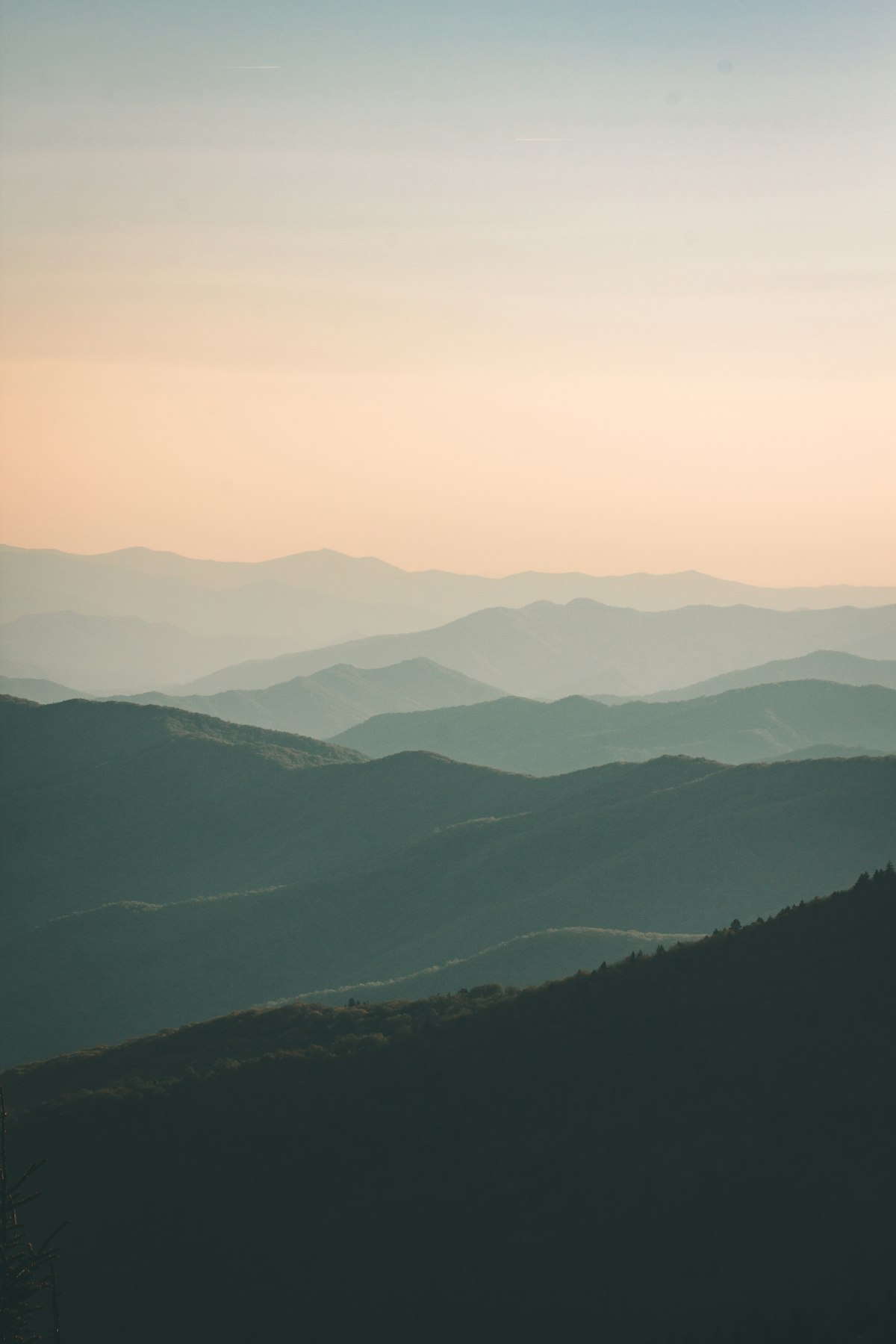
Rocky Mountain National Park spans elevations from 7,800 to 14,259 feet. The higher you get — Trail Ridge Road tops out at 12,183 feet — the more the atmosphere thins and the stars sharpen.
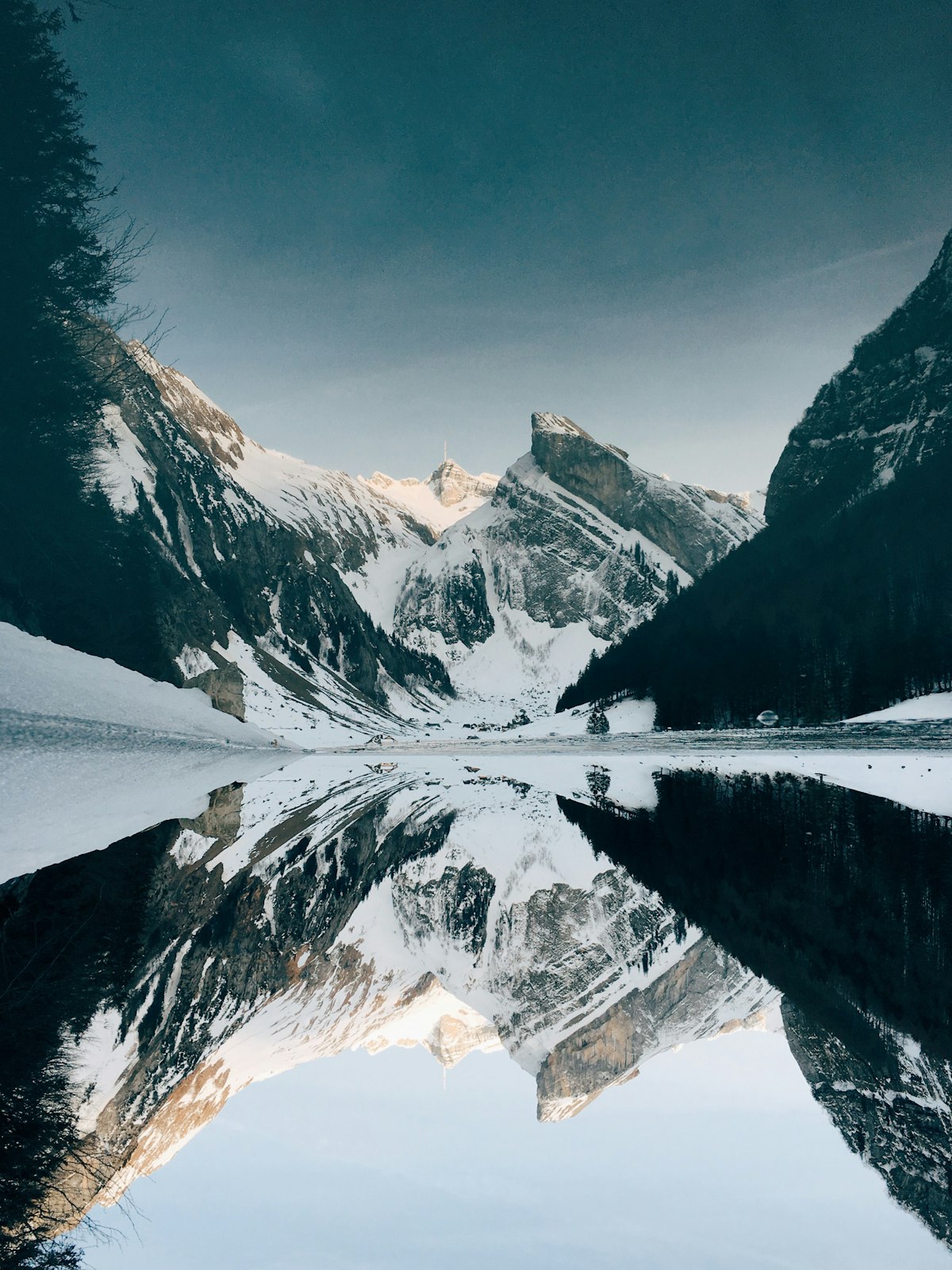
The alpine lakes scattered throughout the park (Bear Lake, Nymph Lake, Dream Lake) reflect the night sky beautifully on calm nights, creating double exposures of stars and mountain silhouettes that are exceptional for photography.
The park offers ranger-led night sky programs during summer — these are genuinely worth attending. Rangers have laser pointers, telescopes, and the kind of contextual knowledge that transforms what you’re seeing from pretty lights to an actual story.
Crested Butte
Crested Butte sits at 8,885 feet in a valley surrounded by mountains that block much of the light from Gunnison (the nearest city, 28 miles away). The combination of elevation, mountain blocking, and the town’s small size makes for excellent dark skies.
What makes Crested Butte special for a stargazing trip is everything else that surrounds it: world-class mountain biking in summer, wildflowers in July that are among the best in Colorado, and a genuinely charming old mining town with good food and a laid-back atmosphere.
Almont Triangle: The open land just south of Crested Butte, near the confluence of the East and Taylor Rivers, offers wide-open skies with the peaks as a backdrop. This is a great spot with no hiking required — just drive out and look up.
Mesa Verde National Park
Mesa Verde sits at 7,000–8,500 feet on a high plateau in southwestern Colorado — the least populated corner of the state and one of its darkest. The park protects ancient Ancestral Puebloan cliff dwellings that are extraordinary to visit during the day, and the night skies above them carry their own kind of gravity.
On a clear summer night at the Morefield Campground, you can see the Milky Way while sleeping beneath the same stars that the people who built these dwellings navigated by. That’s a rare kind of connection.
What to Bring
Layers. Colorado nights drop significantly in temperature, even in summer. At 10,000 feet in August, 40°F at midnight is common. Bring more than you think you need.
Red-light headlamp. White light destroys night vision. A headlamp with a red-light mode preserves your eyes’ adaptation to the dark, which takes 20–30 minutes to develop and can be ruined instantly by a phone screen.
Blanket or sleeping pad. Lying on your back is the best way to take in a wide sky. A foam pad on rocky ground makes a significant difference in how long you’ll stay.
Star map app. SkySafari or Stellarium are excellent — but use them in night mode (red screen) and only when needed. The experience is better when you’re not looking at your phone.
Camera (optional). Astrophotography is addictive. A DSLR or mirrorless camera with a wide-angle lens (14–24mm), a tripod, and a shutter release cable is the basic setup. Start with ISO 3200, f/2.8, and a 20-second exposure as your baseline.
Best Timing
| Factor | Ideal Condition |
|---|---|
| Moon phase | New moon (darkest nights) |
| Season | June–September (clearest skies, passable mountain roads) |
| Elevation | 8,000+ feet recommended |
| Weather | Check Clear Outside app (better than general weather apps for night sky conditions) |
There’s a specific feeling that comes from watching the Milky Way for long enough that your eyes fully adapt and the galaxy starts to resolve into something you can actually read — arm, core, dust lanes.
It’s one of those experiences that genuinely recalibrates your sense of scale. In a good way.
Go find a dark mountain road in Colorado, turn off your headlights, and just look up for a while.
Have you done any stargazing in Colorado? Share your favorite spots in the comments — I’m always looking for new locations.