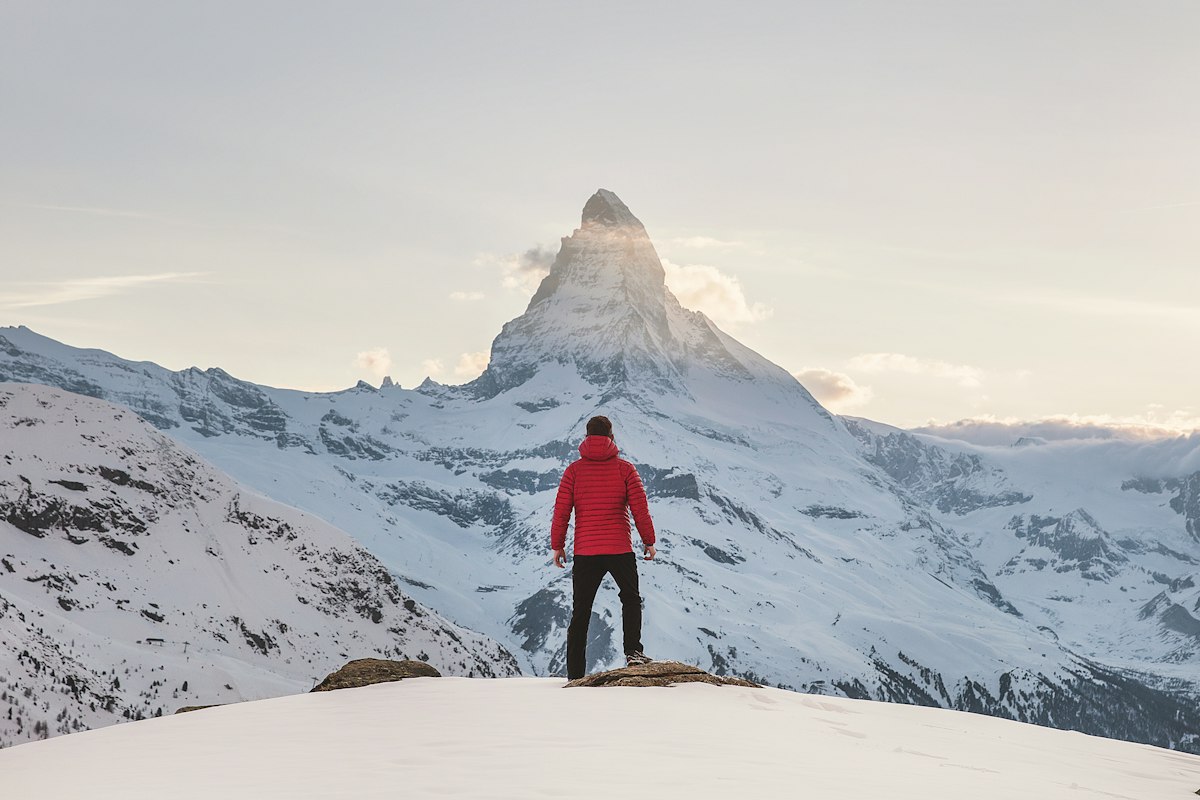
Everyone knows the Smokies in fall. The leaf peepers come in October, the rental cabins fill up months in advance, and traffic through Gatlinburg backs up for miles. It’s beautiful, yes — but crowded in a way that makes it hard to feel the mountains properly.
Winter is different.
When snow falls on the Appalachians and the ridgelines go white, the Smokies become something quieter and more extraordinary. The trails that were packed in October are yours again. The views from Newfound Gap feel genuinely remote. And there’s a particular kind of silence you only get in a snow-covered forest that I’ve never been able to find anywhere else.
Here’s everything you need to plan a winter trip to Great Smoky Mountains National Park.
Hiking in Winter
Alum Cave Trail
Roundtrip: 4.4 miles | Elevation Gain: 1,125 ft
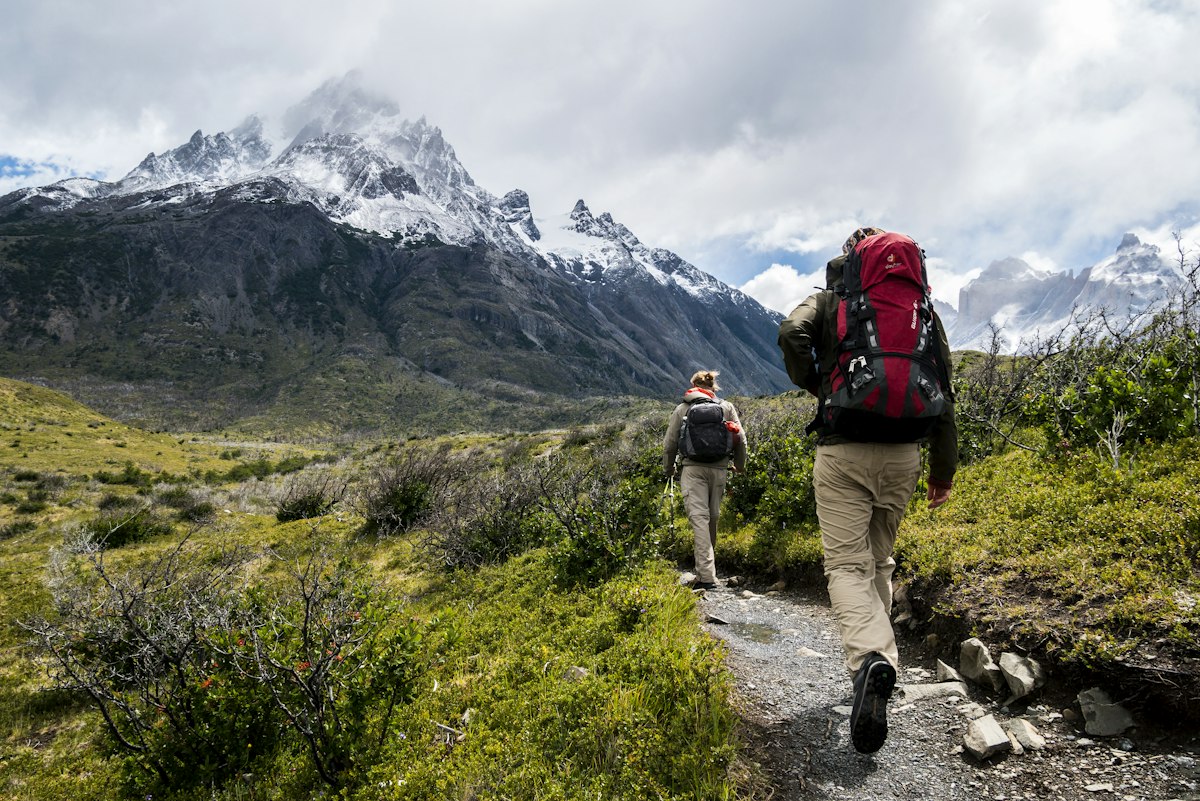
This is one of the most famous trails in the entire park — and in winter, it becomes something else entirely.
The trail passes through old-growth forest, crosses a log bridge over Alum Cave Creek, and arrives at Arch Rock (1.4 miles in) — a natural tunnel through a moss-covered bluff. Continue to 2.3 miles and you reach Alum Cave Bluffs, where massive icicle formations cling to the overhanging rock in January and February. They’re unlike anything I’ve seen anywhere else.
If you have the energy and the gear, push on to Mt. LeConte’s summit at 6,593 feet — the third-highest peak in the Smokies — for one of the most rewarding viewpoints in the park.
What to bring: Microspikes or traction cleats (the trail gets icy), layered clothing, and poles if you have them.
Laurel Falls Trail
Roundtrip: 2.6 miles | Elevation Gain: 314 ft
Laurel Falls is consistently ranked among the best waterfall hikes in the park, and it’s more approachable than Alum Cave — paved, well-marked, and moderate throughout.
In winter, the 80-foot cascade can partially freeze, creating an otherworldly sculpture of ice and water. The surrounding forest is quiet and beautiful. And if you’re patient and quiet on the trail, you might spot black bears on their winter wanderings — they don’t fully hibernate here.
Note: Pets are not allowed on any trails in Great Smoky Mountains National Park.
Must-See Viewpoints
Newfound Gap
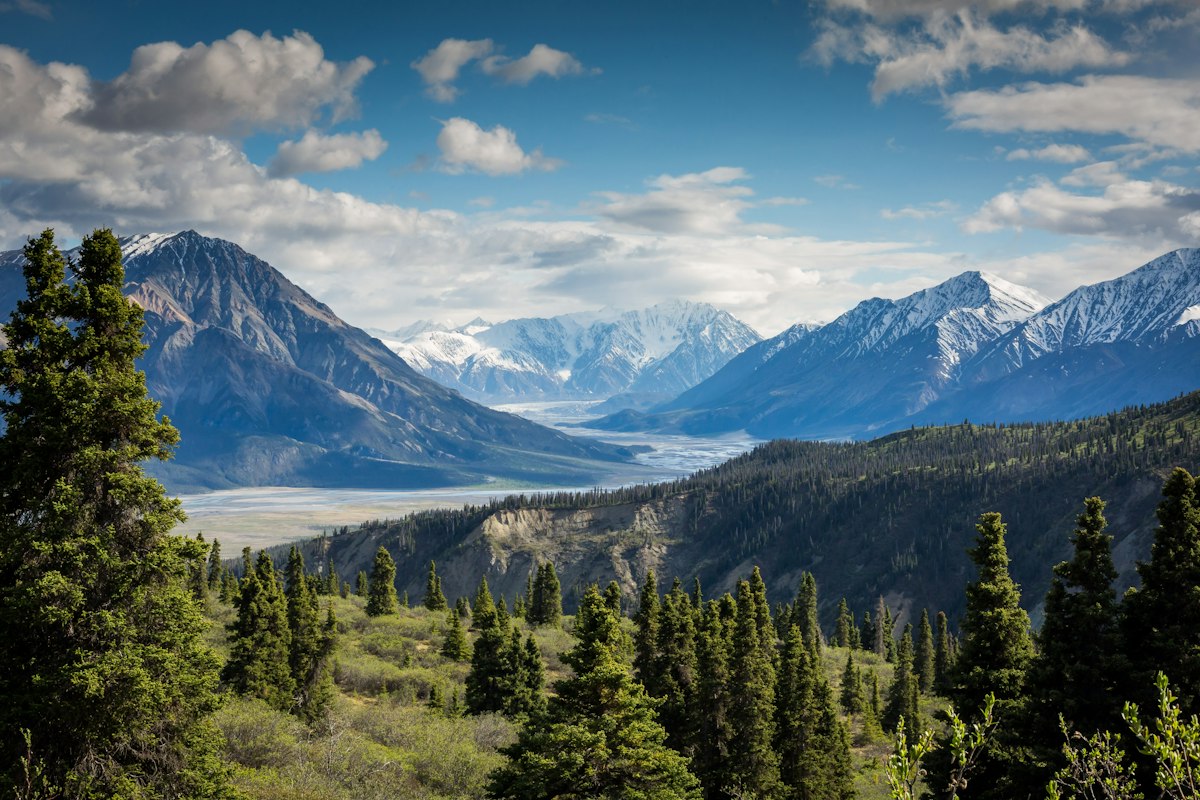
Newfound Gap is the lowest drivable pass through the park, sitting at 5,046 feet on the state line between Tennessee and North Carolina. In winter, temperatures here can be 10–15 degrees colder than Gatlinburg below, and the snowfall is dramatically higher — averaging around 69 inches annually.
The views from the overlook are staggering. On a clear winter day, you can see ridge after ridge of the Appalachians disappearing into the blue distance. On a cloudy day, the mountains emerge and disappear through the mist in a way that makes you understand why they’re called the Smokies.
From Newfound Gap: Drive south on Clingmans Dome Road to the highest point in the park — though note that this road is typically closed December 1 through March 31.
Cades Cove
Cades Cove is an 11-mile one-way loop road through an open valley surrounded by mountains. It’s one of the best wildlife viewing spots in the entire park — deer, wild turkey, and black bears are all commonly spotted here.
In winter, the meadows are often frosted or snow-covered, and the mountain backdrop becomes even more dramatic. The loop is accessible year-round and is particularly peaceful on cold weekday mornings when the crowds are thin. Abrams Falls (a 5-mile roundtrip hike from the loop) is a beautiful add-on if conditions allow.
Winter Sports
Ober Gatlinburg Ski Resort

Peak Elevation: 3,300 ft | Base: 2,200 ft | Slopes: 9
Tennessee’s only ski resort sits at the edge of Gatlinburg and is accessible by car or by the Aerial Tramway from downtown — which is an experience worth having on its own. Activities include skiing, snowboarding, snow tubing, and indoor ice skating, making it genuinely family-friendly for all skill levels.
Beech Mountain Ski Resort, NC
Drive from Gatlinburg: ~3 hours | Peak Elevation: 5,506 ft | Slopes: 15
This is considered the highest ski area in the eastern United States, and the elevation makes a real difference — more consistent snow, colder temperatures, and a longer season than most Mid-Atlantic resorts.
At the summit sits 5506’ Skybar, named for the elevation, where you can grab food and drinks with mountain views on all sides. After a long day on the slopes, the Beech Mountain Brewery in town is the perfect wind-down.
Sugar Mountain Resort, NC
Drive from Gatlinburg: ~3 hours | Peak Elevation: 5,300 ft | Slopes: 22
Sugar Mountain is the local favorite for serious skiers — with 22 slopes spread across a wide vertical, including 15 lit for night skiing. The terrain caters to all levels, but advanced skiers particularly love the variety here.
The resort offers slopeside accommodation ranging from rooms to full condo units, and amenities include a locker room, group sales, and convenient shuttle service. There are two restaurants, a lounge, and a gift shop for everything you need between runs.
Practical Tips for a Winter Visit
Road conditions: Check the National Park Service website before driving — mountain roads close during heavy snowfall and ice events. Newfound Gap Road (US-441) is maintained year-round, but side roads and higher elevation routes may be gated.
What to wear: Layering is everything. Start with a moisture-wicking base layer, add insulating mid-layers, and top with a waterproof outer shell. Waterproof boots with grip are non-negotiable on icy trails.
Where to stay: Gatlinburg and Pigeon Forge have abundant accommodation at lower winter prices. For a more immersive experience, look for cabin rentals in the Wears Valley or Cosby areas on the quieter sides of the park.
Wildlife: Winter is an excellent time for wildlife viewing. Bears are active (they don’t fully hibernate), and the thinned vegetation makes spotting deer and elk easier.
The Great Smoky Mountains in winter are one of the most underrated travel experiences in the American South. You trade the fall crowds for solitude, the color for drama, and the noise for something that feels genuinely remote — even though Gatlinburg is just 30 minutes away.
Go when everyone else isn’t. The mountains are better that way.
Have you visited the Smokies in winter? Share your experience in the comments — especially if you’ve done the Alum Cave trail in snow.