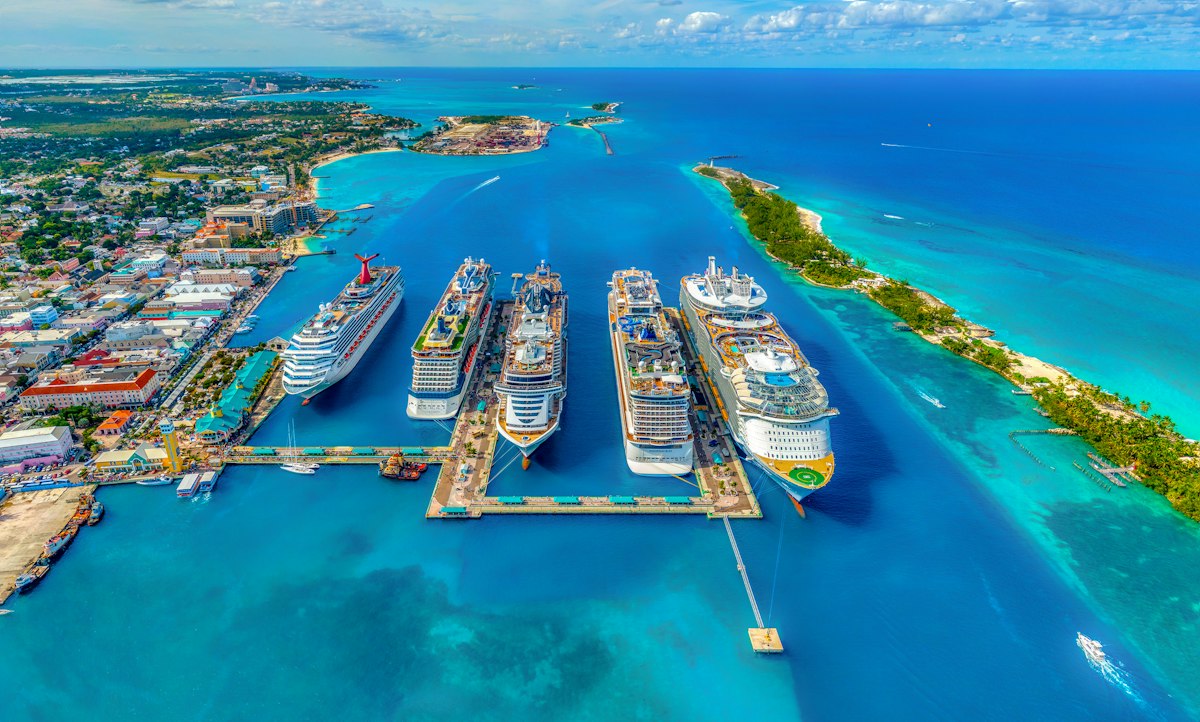
There is no other place in America quite like Key West.
It sits at the end of the Overseas Highway, connected to the mainland by 42 bridges over 113 miles of ocean. By the time you arrive, you’ve already driven across the sea — and that feeling of having left the ordinary world behind doesn’t go away once you get there.
Key West is the southernmost point in the continental United States, and it wears that identity with a certain proud eccentricity. Ernest Hemingway lived here for a decade. Tennessee Williams spent winters here. The city has been a haven for artists, writers, misfits, and free spirits since the 1800s — and that DNA runs through everything, from the Victorian architecture on Duval Street to the nightly ritual at Mallory Square where the whole town gathers to watch the sun go down.
Here’s how to make the most of it.
Watch the Sunset at Mallory Square

This is the single thing you cannot skip in Key West, and it’s completely free.
Every evening, around an hour before sunset, locals and visitors gather at Mallory Square Dock on the western waterfront. Street performers, musicians, artists, and food vendors set up. The atmosphere builds slowly, then — as the sun touches the water and turns the sky into something you’ll spend a week trying to describe to people at home — the whole crowd cheers.
It sounds cheesy. It is a little cheesy. It’s also completely wonderful.
Tip: Arrive 30–45 minutes early to get a good spot. Grab a drink from one of the nearby bars to bring with you.
Visit the Ernest Hemingway Home

Hemingway lived at 907 Whitehead Street from 1931 to 1939, and the house has been remarkably well preserved. The tours are genuinely interesting — you see his writing studio above the pool house, the boxing ring he had installed in the backyard, and approximately 50 polydactyl (six-toed) cats that are direct descendants of his original cat, Snow White.
The cats roam freely throughout the property and have names. They are entirely unbothered by tourists. They are arguably the best part of the visit.
Hours: Daily 9am–5pm | Cost: ~$18 adults
Explore Duval Street
Duval Street runs from the Gulf of Mexico to the Atlantic Ocean — the only street in America you can say that about. It’s the main artery of Key West life: lined with Victorian conch houses, art galleries, restaurants, and bars that have been serving sailors and writers and wanderers for over a century.
Don’t miss:
- Sloppy Joe’s — the bar Hemingway supposedly drank at (every barstool in Key West makes this claim, but this one has the most credible history)
- The Green Parrot — the oldest bar in Key West, opened in 1890, with live music nightly
- The Studios of Key West — an excellent contemporary art gallery in a historic building
The Duval Crawl is a legitimate Key West institution: picking a direction and walking the full length of the street, stopping as the mood strikes. Just wear comfortable shoes and stay hydrated.
Snorkel or Dive at the Coral Reef
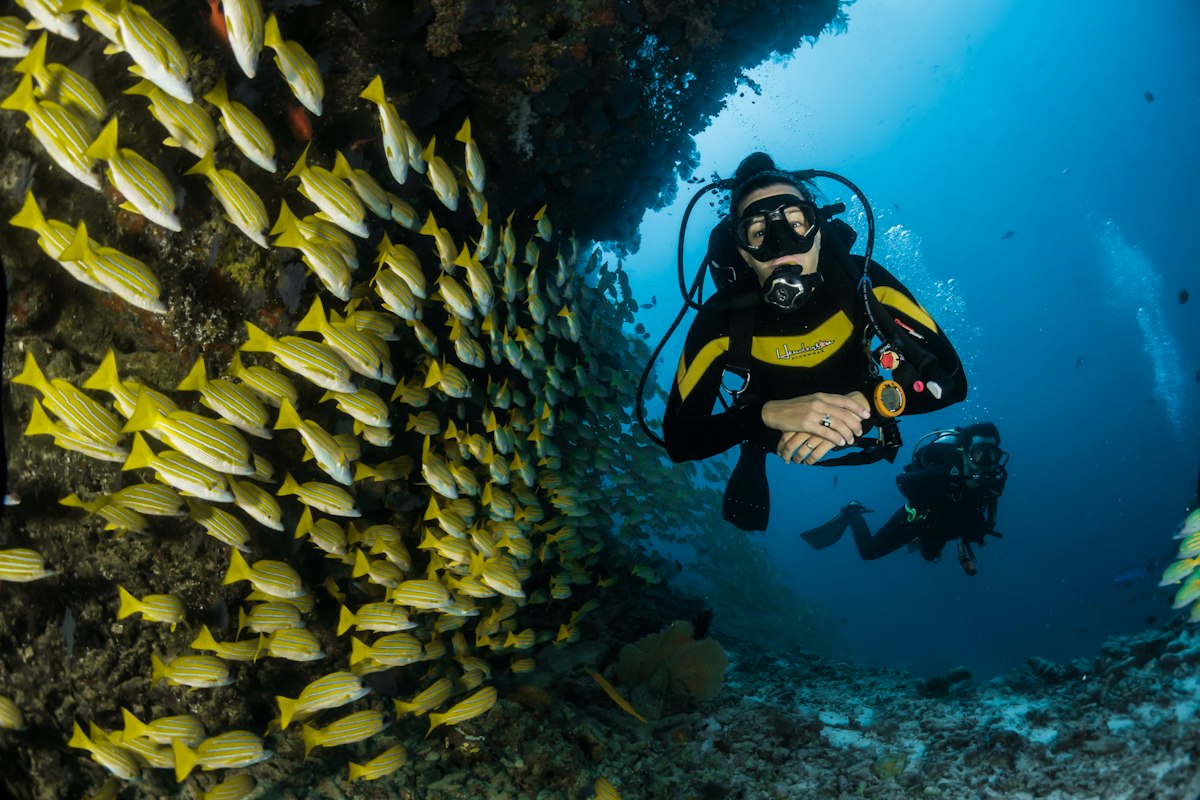
The Florida Keys are home to the only living coral barrier reef in the continental United States, and the water around Key West is some of the most accessible reef diving in the country.
For snorkelers: The reef sits about 5 miles offshore, and numerous operators run half-day snorkel tours daily. The water is warm, clear, and shallow enough in many spots for complete beginners.
For certified divers: The USS Spiegel Grove, a 510-foot Navy ship intentionally sunk in 2002, is one of the most impressive wreck dives in North America.
Recommended operators: Fury Water Adventures and Reef Environmental Education Foundation (REEF) both have solid reputations.
Cycle or Walk Around Old Town

Key West is a small island — about 2 miles wide and 4 miles long — and the Old Town historic district is entirely walkable. But renting a beach cruiser is the quintessential Key West experience and lets you cover more ground without effort.
On a bike, don’t miss:
- The Southernmost Point buoy (Whitehead & South St) — touristy, yes, but you’re legally required to take a photo
- Fort Zachary Taylor State Park — the best beach in Key West, with excellent snorkeling right off the shore
- The Key West Butterfly and Nature Conservatory — a glass conservatory filled with hundreds of live butterflies
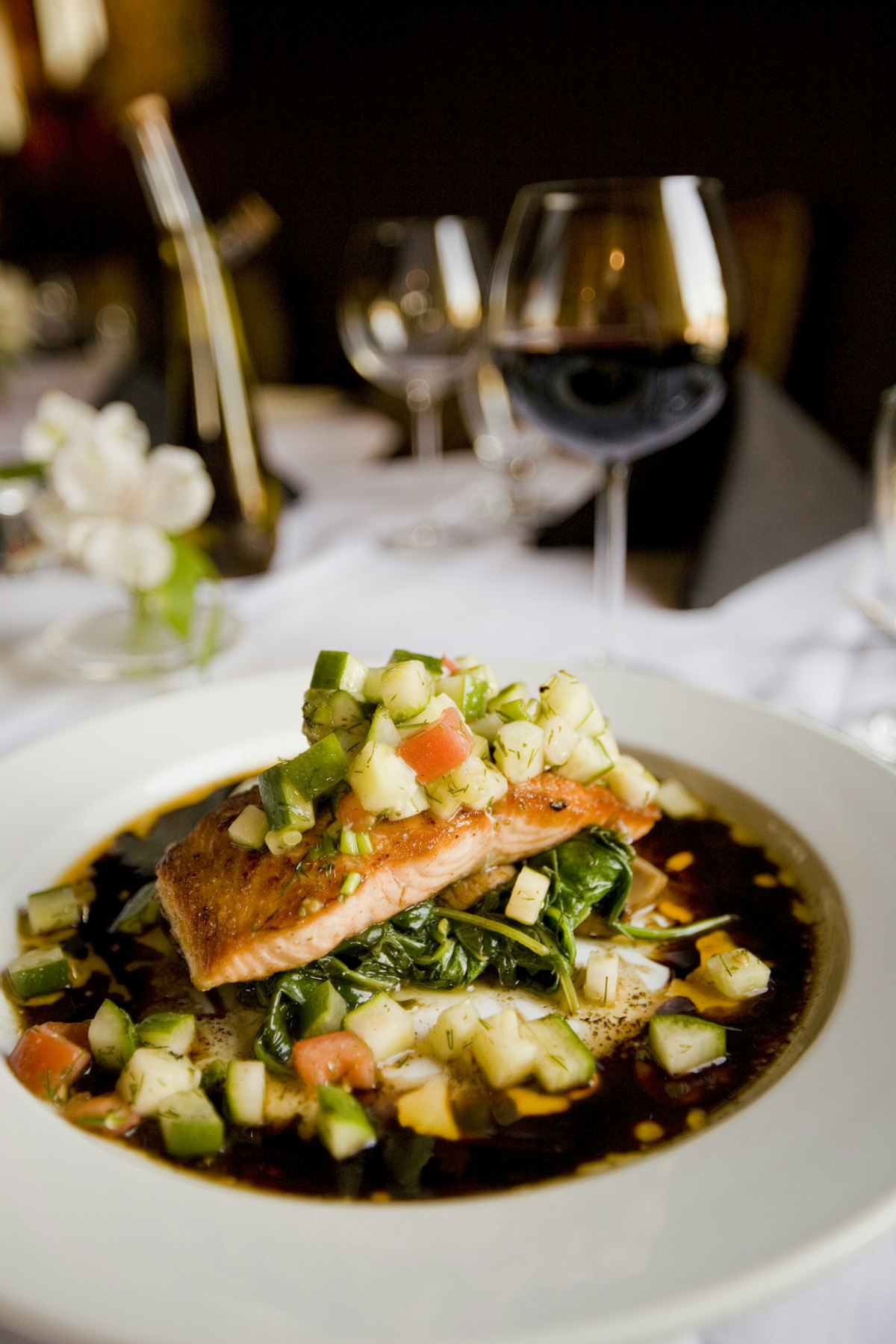
Eat Very Well
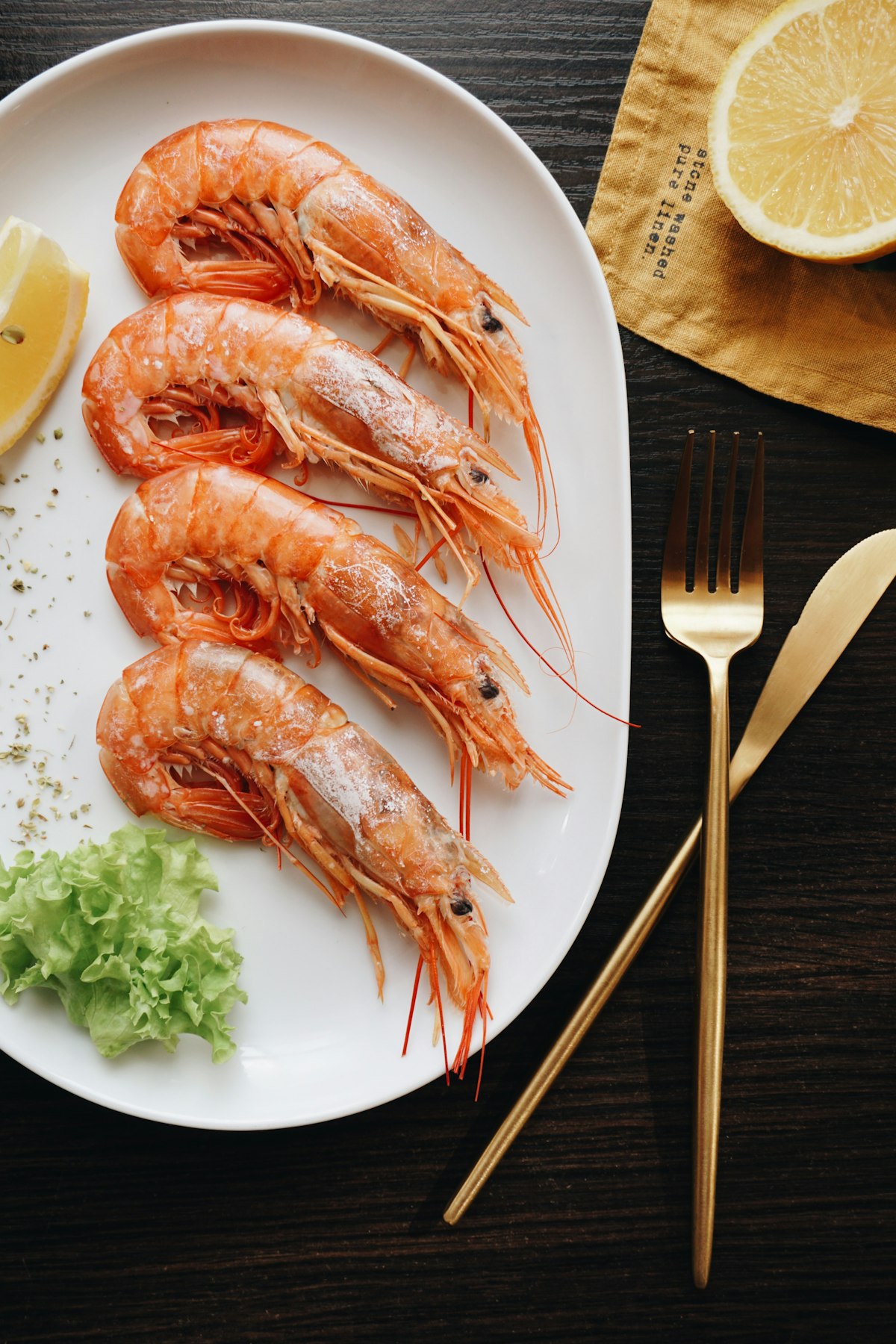
Key West has a genuinely strong food scene for its size.
What to eat:
- Stone crab claws — the Florida Keys specialty, available October through May. Joe’s Stone Crab (Miami) is famous, but local seafood shacks in Key West serve them just as well at lower prices.
- Conch fritters — a Key West staple. The best versions are crispy outside, tender inside, and served with a remoulade.
- Key lime pie — Key West’s most famous export. The authentic version uses real Key limes and has a yellow (not green) filling. Kermit’s Key West Key Lime Shoppe is widely considered the best.
- Fresh fish tacos — grouper, mahi-mahi, or whatever came off the boat that morning.
Where to eat:
- Louie’s Backyard — beautiful waterfront setting, excellent food, ideal for a slow lunch
- Blue Heaven — a legendary outdoor restaurant in Bahama Village with roosters wandering between the tables (this is normal)
- Garbo’s Grill — a food truck with a devoted local following, serving Korean-inspired tacos and fresh fish
Day Trip to Dry Tortugas National Park
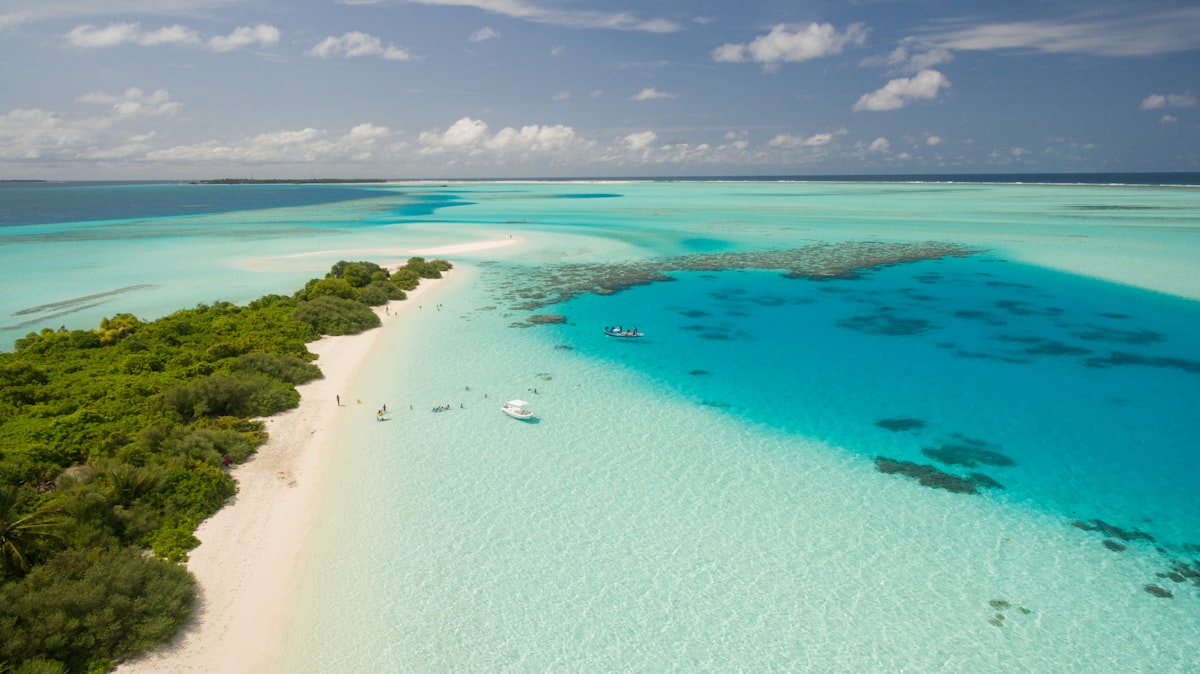
Seventy miles west of Key West, accessible only by ferry or seaplane, Dry Tortugas National Park is one of the most remote and spectacular national parks in the country.
The centerpiece is Fort Jefferson — a massive 19th-century military fort sitting on a tiny island surrounded by transparent turquoise water. The snorkeling around the fort is exceptional, the bird life is extraordinary (it’s on a major migration flyway), and the sense of being genuinely far from everything is complete.
The Yankee Freedom III ferry runs daily from Key West — it’s a full day trip and absolutely worth it.
Practical Information
| Best time to visit | November–April (dry season, lower humidity) |
| Getting there | Fly into Key West (EYW) directly, or Miami/Fort Lauderdale + drive the Overseas Highway |
| Getting around | Walk, bike, or golf cart (rentable everywhere) |
| Where to stay | Old Town for atmosphere; Stock Island for local feel at lower prices |
| How long to spend | 3–4 days covers the highlights comfortably |
Key West is one of those places that gets under your skin. The pace is slower. The light is different. The ocean is everywhere.
Come with no particular agenda and you’ll have a better time than if you tried to optimize every hour. That’s the Key West way.
Have you been to Key West? What was your favorite spot? I’d love to know in the comments.